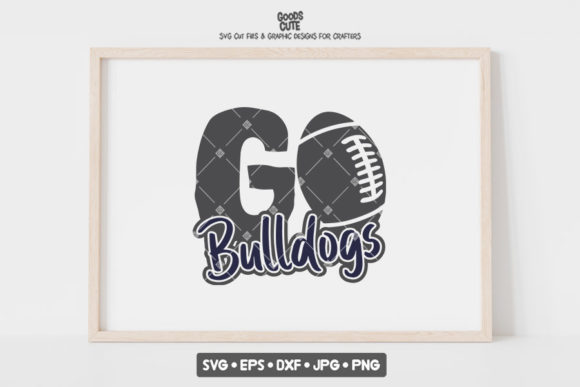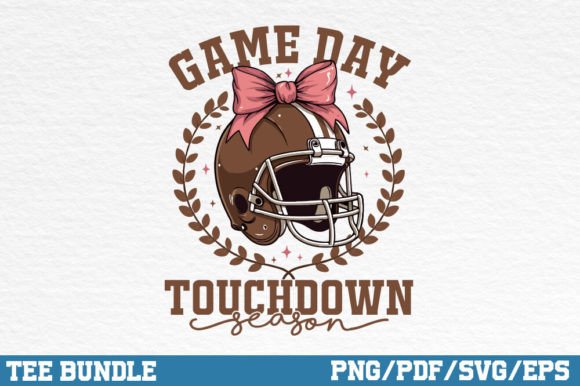
Game Day Touchdown Season, Game Football – A Bold Graphic for Sports-Themed Branding
First Impressions: A Dynamic Visual with Strong Seasonal Energy
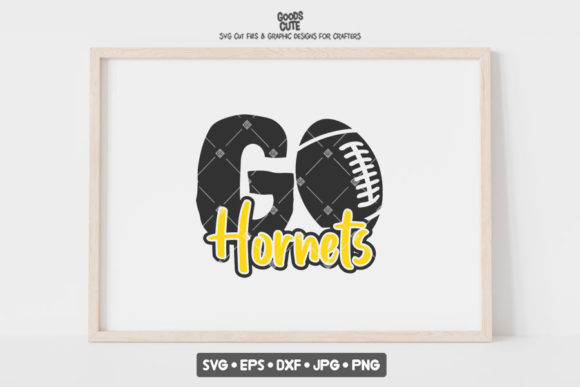
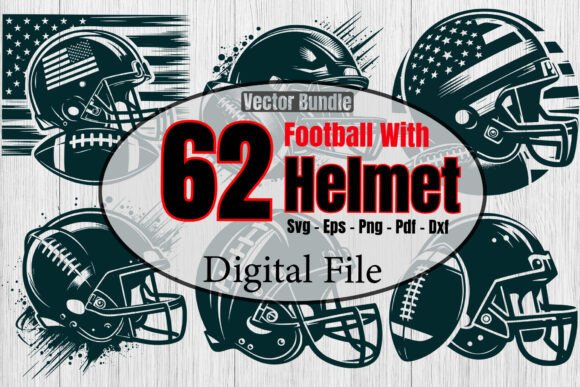
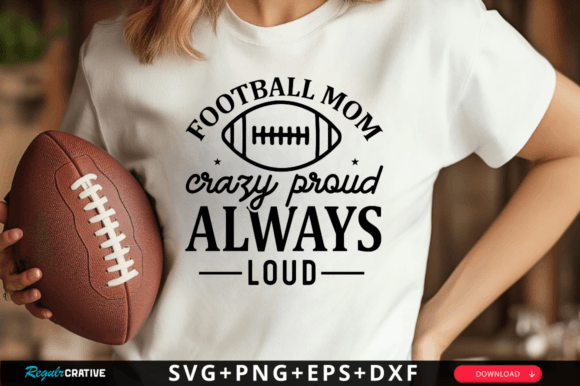
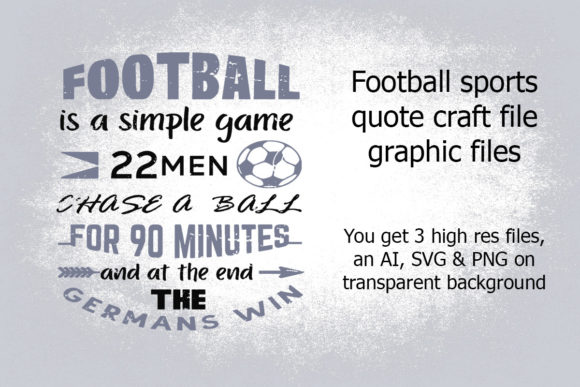
The Game Day Touchdown Season, Game Football graphic design asset immediately conveys a sense of excitement and competition. Its football motif, combined with clean lines and vivid detail, makes it a standout choice for seasonal marketing. Whether used in digital ads or print materials, this design brings a high-energy, sports-centric mood that resonates with fans and casual viewers alike.
From a branding perspective, this asset leans into a bold, casual aesthetic. It’s well-suited for brands with a playful or active lifestyle focus—think sports apparel, fitness coaching, game-day snack brands, or local league sponsorships. It doesn’t scream luxury, but it definitely says “fun, community, and team spirit,” making it ideal for small business branding that wants to feel approachable and vibrant.
Real-World Marketing Use: Perfect for Social Media and Seasonal Campaigns
As a brand designer, I recently reviewed this graphic for a client launching a limited-time “Game Day Snack Box” for football season. The goal was to create engaging Instagram posts, Pinterest pins, and Facebook ads that felt cohesive across platforms. The Game Day Touchdown Season, Game Football asset worked beautifully as a visual anchor across all these channels.
It scaled well from large web banners to smaller Instagram stories. The SVG and PNG formats allowed for easy editing in both Adobe Illustrator and Canva, making it accessible for both professional designers and content creators. We used the football graphic as a central element in promotional headers and as a supporting icon in product labels, giving the brand a consistent visual thread.
Supporting Brand Goals: Strengthening Recognition and Engagement
This design asset supports key marketing goals like stronger first impressions, clearer visual hierarchy, and improved audience trust. Because of its clean, high-resolution quality, it gives off a professional appearance that elevates even the most basic layout. When used in digital campaigns, it helps create a more memorable visual identity—especially during seasonal promotions when attention spans are short and visual clarity is crucial.
- Stronger first impression: Instantly communicates the theme of the campaign.
- Visual hierarchy: Works well as a focal point or supporting graphic.
- Brand consistency: Can be reused across marketing materials for a unified look.
- Emotional connection: Evokes nostalgia and excitement around game day traditions.
For small businesses and creative entrepreneurs, especially those in the crafts and digital product space, this kind of design asset can be a powerful tool for creating a polished, professional look without hiring a designer for every campaign.
Best Use Cases: Where This Football Graphic Shines
The Game Day Touchdown Season, Game Football design performs exceptionally well in the following marketing and branding applications:
- Social media graphics: Ideal for Instagram posts, Pinterest pins, and Facebook ads during football season.
- Website headers and banners: Makes a bold statement on landing pages or seasonal promo sections.
- Email marketing: Great for holiday newsletters or themed product announcements.
- Packaging accents: Can be used on labels, stickers, or inserts for game-day-themed products.
- Editorial layouts: Adds a sporty, engaging visual to blogs or digital magazines focused on sports or lifestyle topics.
It’s also a smart choice for Canva templates, lead magnets, and content kits aimed at sports-related niches. Since it comes with a commercial license, creators can confidently include it in paid digital products and marketing assets.
When to Use with Caution: Limitations to Consider
While this asset is versatile, it’s not a one-size-fits-all solution. Here are a few situations where you should use it carefully:
- Formal corporate branding: The playful tone may not align with high-end or traditional brand identities.
- Dense information layouts: In text-heavy designs, the football graphic could distract from the main message.
- Small mobile graphics: Detail may get lost in tiny thumbnails or app icons.
- Minimalist brands: Could clash with ultra-clean or monochrome aesthetics.
- Low-contrast backgrounds: Ensure visibility by testing against your color scheme.
Designer Notes: Practical Tips for Using Game Day Touchdown Season, Game Football
Before integrating this design into your campaign, here are a few brand designer best practices to follow:
- Test with your brand color palette: Does it complement your primary and secondary brand colors?
- Check black and white usage: Confirm it still reads clearly in grayscale for print or accessibility purposes.
- Mock it up in real campaign visuals: See how it fits into your actual social media posts, banners, and packaging.
- Preview on mobile screens: Make sure it remains legible and impactful on smaller devices.
- Compare with competitor visuals: Ensure it stands out while still fitting within your industry’s visual norms.
- Pair with different fonts: Test how it works with serif, sans serif, script, and display fonts to ensure typographic harmony.
- Review spacing and balance: Avoid overcrowding the design—let the graphic breathe for better visual impact.
- Confirm commercial licensing: Always double-check the license before using in client work, digital products, or paid ads.
Final Thoughts: A Strong Addition to Seasonal Branding Kits
The Game Day Touchdown Season, Game Football graphic is a smart investment for content creators, marketers, and small business owners looking to refresh their seasonal visuals. Its high-resolution quality, multiple file formats, and flexible application make it a practical tool for building engaging, professional-looking marketing materials quickly.
Whether you're designing a digital campaign, packaging inserts, or a content bundle for the creative marketplace, this asset adds visual appeal and thematic clarity. As long as it aligns with your brand’s tone and target audience, it can become a key element in your visual storytelling toolkit—especially during high-engagement periods like football season.